

HOLD/SELL | EXIT STRATEGY | STOCHASTIC MODELLING
THE ANSWER WAS FIVE DREAMS DEEP
Exit valuation strategy on an office that wouldn’t comp.
ASSET TYPE
Urban Class B+ Office
LOCATION
Dallas, Texas
SCALE
1,000,000 Leasable SF
PROBLEM
Unpredictable Exit
3-5 YEARS
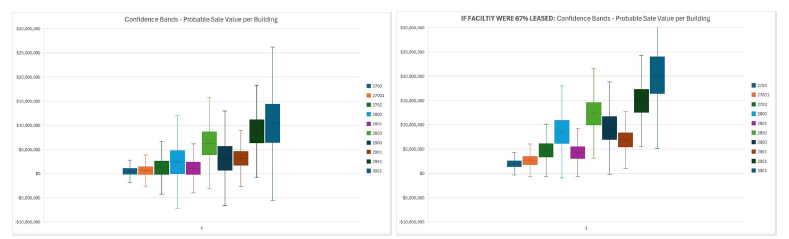
Exit horizon probability-banded with full distribution
50,000+
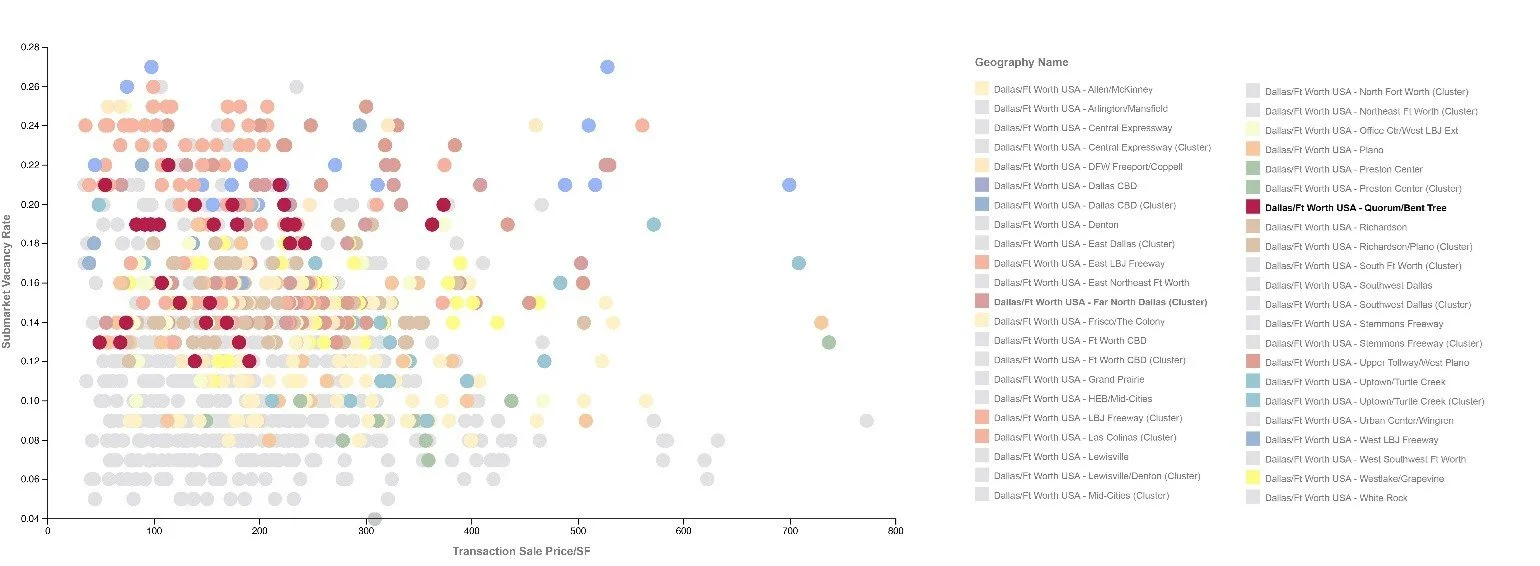
Stochastically simulated synthetic comparable data set
$250M
Exit scenario modeled with full probability distribution - not a point estimate
80% WALT
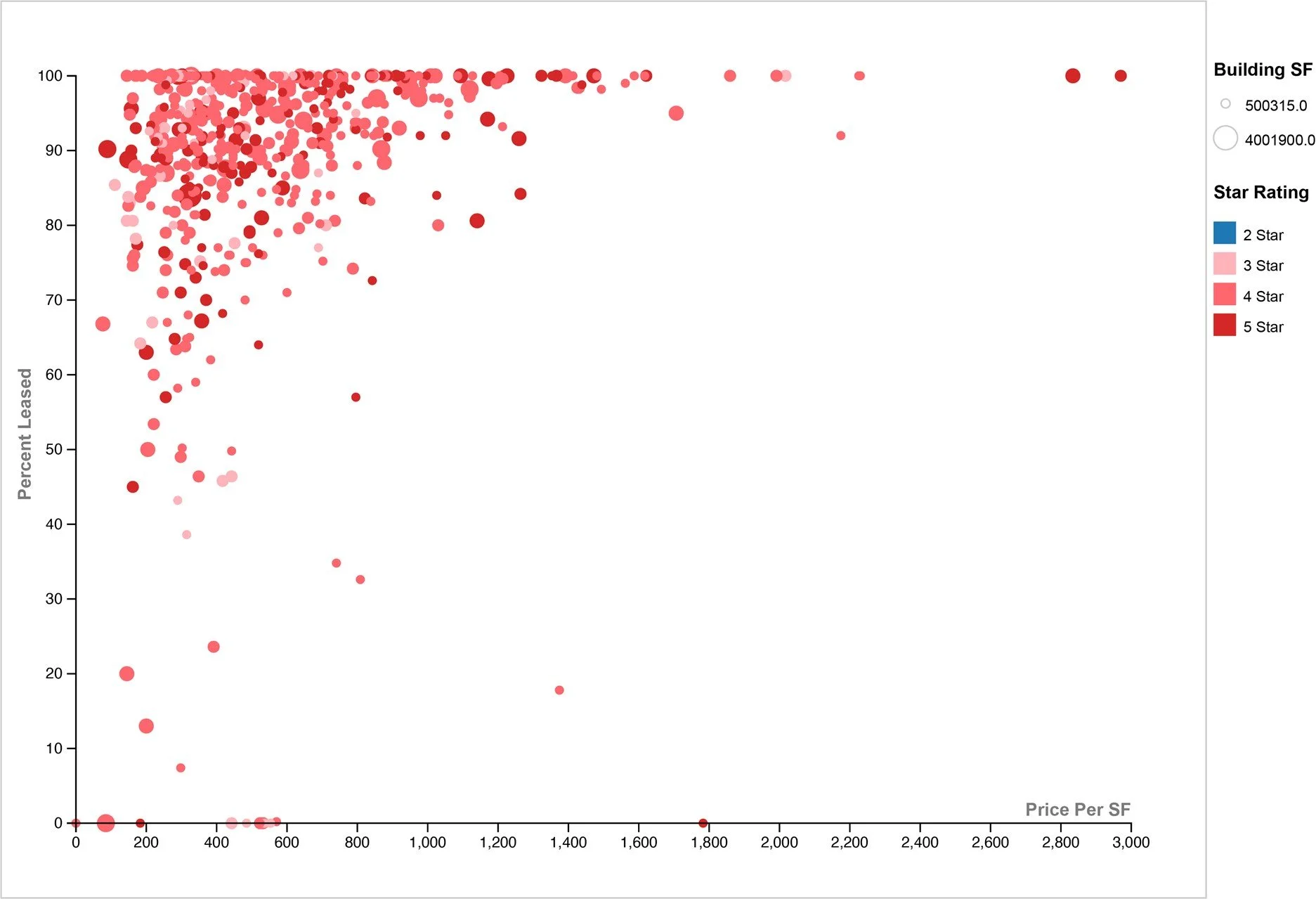
10 Attributes with p-value less than 2% after linear regression
ABSTRACT: A POINT ESTIMATE IS A GUESS WITH A DECIMAL POINT.
Static underwriting on complex office produces a point estimate. A point estimate is a guess with a decimal point. The client needed a probability — defensible, distributional, cross-validated — that they could take into a capital conversation without equivocation.
The methodology worked five layers deep. Metro stability signals. Submarket cycling patterns. Tenant decision drivers. Capital market re-entry conditions. Comparable market analog timing. Each layer independently modeled, then mapped back to the subject asset — the way you reconstruct a dream by working backwards from the feeling it left.
The analysis identified that the asset paralleled three comparable metros 2–4 years ahead of their institutional re-entry waves. The exit was there. Nobody was looking at the right layer.
The distribution told the truth. The point estimate would have told a story.