

PORTFOLIO STRATEGY | BALANCE SHEET INTELLIGENCE | CYCLE TIMING
MOVE BEFORE THE MARKET FORCES YOU TO
A portfolio too successful to see what was coming.
ASSET TYPE
Diversified Private RE Portfolio
LOCATION
Mid-Atlantic / Southeast
SCALE
14 Assets - $380M AUM
PROBLEM
Success without a thesis
$0.70
Exit price per dollar of book value on repositioned assets
$0.50
Where those same assets repriced six months later
$140M
Capital preserved and redeployed into the next thesis
18 MONTHS
From diagnosis to full portfolio rebalance
ABSTRACT: SUCCESS IS THE HARDEST THING TO STRESS TEST. THEY WERE WINNING. THEY JUST DIDN'T KNOW WHY.
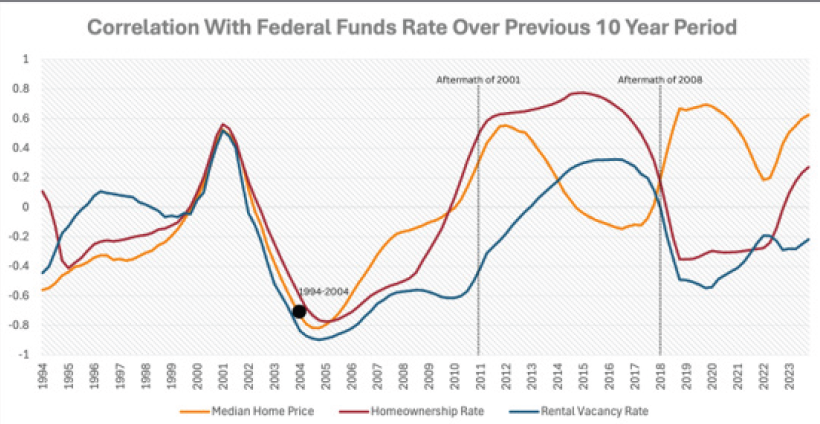
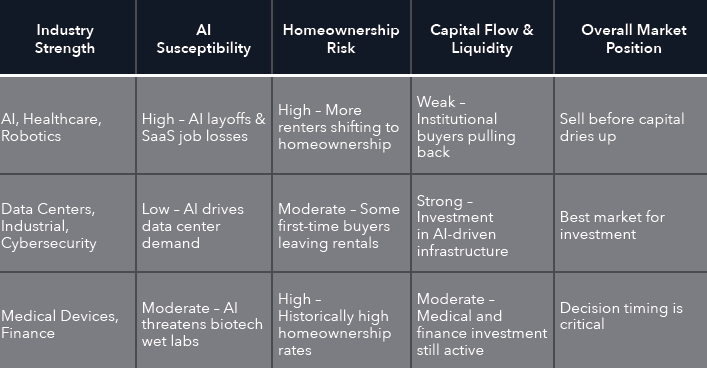
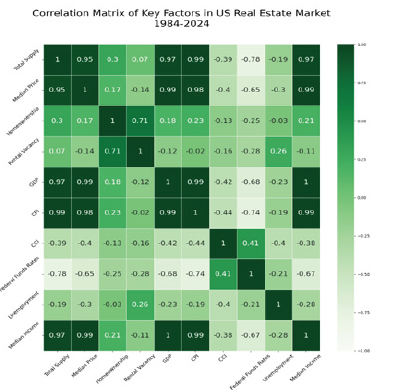
The most dangerous portfolio isn't the one with bad assets. It's the one performing well for reasons nobody has articulated, because when the conditions that created the performance shift, nobody sees it coming.
This client had built a strong track record across a diversified mid-Atlantic and Southeast portfolio. Occupancy was solid. Returns were meeting targets. The board was happy. Then one asset softened in a way that didn't fit the model. They called it an outlier. We called it a signal.
The analysis separated three distinct performance drivers: assets benefiting from secular tailwinds, assets performing on operator skill, and assets that had been carried by a capital market cycle that was quietly ending.
The third category was the problem. Not because the assets were bad, because the reason they had worked was expiring and the proforma didn't know it yet.
We didn't tell them to sell everything. We told them which ones to sell, at what price, and in what sequence before the market told them for them.
Fourteen months later they had exited six assets at $0.70 on the dollar. The same assets repriced to $0.50 in the subsequent cycle. The capital went into a new thesis that was built on the same underlying logic that drove their original outperformance, applied to the asset class and markets where that logic was just beginning to play out.
They didn't just protect capital. They recreated the conditions for the next cycle of outperformance.